
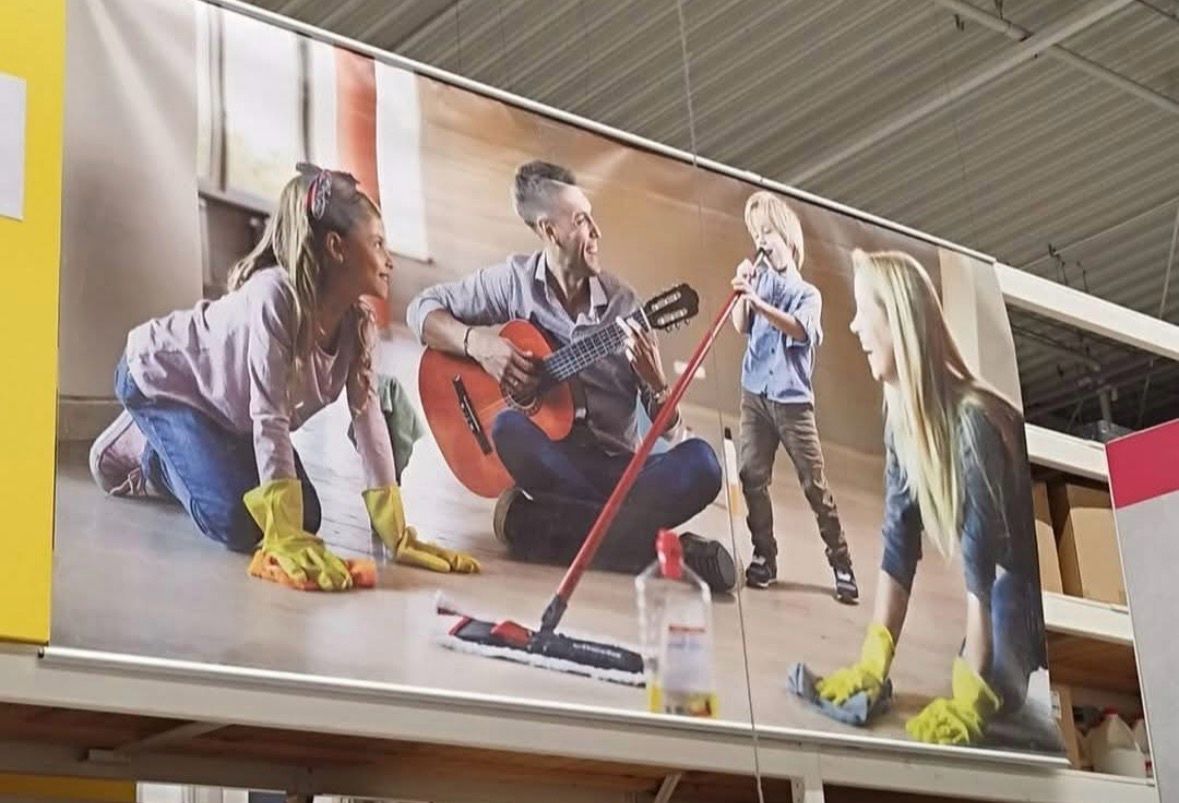
How often do you see an ad that genuinely reflects women’s realities?
Not a woman as a default caregiver.
Not a woman as a problem to fix.
Not a woman reduced to a sexual fantasy seen through a male lens.
But a woman as she actually is: complex, tired, ambitious, capable, contradictory, under pressure - fully human.
The Same Roles, Recycled
Despite decades of progress, advertising continues to repeat a narrow set of female roles:
The caregiver, effortlessly managing everyone else’s needs
The subordinate, assisting or supporting male authority
The needy woman, lacking confidence until a product rescues her
The sexual object, to be desired…by men
The decorative beauty whose whole existence is about being pretty.
Even when ads claim to “empower” women, they often reinforce the same patterns - simply updated with a modern soundtrack or a diverse cast.
When it comes to products made for women, this disconnect becomes even more visible.
Products for Women, Seen Through an Old Lens
Look at advertising in beauty, health, fitness, or hygiene. How often does it rely on:
Shame (you smell, you age, you leak, you’re not enough)
Silence (avoiding pain, discomfort, effort)
Infantilisation (“simple,” “cute,” softened language)
An outdated male gaze shaping how women should look, move, or behave.
A familiar example: lingerie ads showing groups of adult women laughing together in bed, all in matching underwear, apparently carefree and delighted.
Ask yourself:
Do real women do this?
Do they aspire to this?
And whose fantasy is actually being sold?
What’s missing is obvious: the customer.
The real woman buying and wearing the product.
By ignoring her reality, brands lose relevance — and no new campaign or designer will fix that.
Women exist for themselves. That has never been more evident than today. Yet many brands remain disconnected from the lives of the audiences they claim to serve.
Why Advertising Keeps Missing the Mark
Advertising doesn’t fail women because of a lack of creativity or intent. It fails because of how insight is generated.
Most advertising is still built on:
Surface-level behavioural data
Category conventions
Brand-centric thinking instead of human-centric thinking
Male-default decision lenses (often by legacy, not intent)
Historical assumptions passed down as “truths”
What’s missing is a deep understanding of women’s lived pressures: mental load, invisible work, trade-offs, and the constant balancing of expectations and reality.
The Cost of Getting It Wrong
When advertising fails women, the consequences go well beyond representation:
Brands lose relevance and trust
Campaigns feel tone-deaf or manipulative
Products are tolerated rather than valued
Entire categories miss significant growth opportunities
In some cases, women stop expecting brands to understand them at all. They disengage emotionally - and stay only until something better appears. Then they leave.
What Needs to Change
Fixing advertising for women isn’t about swapping stereotypes for new slogans.
It requires a shift from brand-centric storytelling to human-centric problem solving.
1. Start with Reality: Identify Pressures
Women don’t need ads telling them who to become.
They need brands that recognize who they already are and the pressures they carry.
Understanding women’s inner, social, and societal pressures changes everything, from tone of voice to product design.
2. Replace Shame with Relief: Solve
The most powerful message isn’t “you’re not enough.”
It’s “we see what you’re dealing with and we can help.”
3. Stop Looking at Women Through a Male Lens: Act
This goes beyond representation. It means redefining success metrics and impact.
Women looking at ads is not the same as women engaging with something that genuinely matters to them.
Advertising That Works for Women Works Better for Everyone
When brands truly understand women, they don’t just improve advertising.
They improve products, services, and systems.
They move from:
Performance to usefulness
Visibility to trust
Attention to relevance
And that’s where sustainable growth lives.
Advertising doesn’t need to try harder with women. It needs to listen deeper.
Women don’t need to be convinced. They need to be understood.
photo credit: Andra Pintican Linkedin.